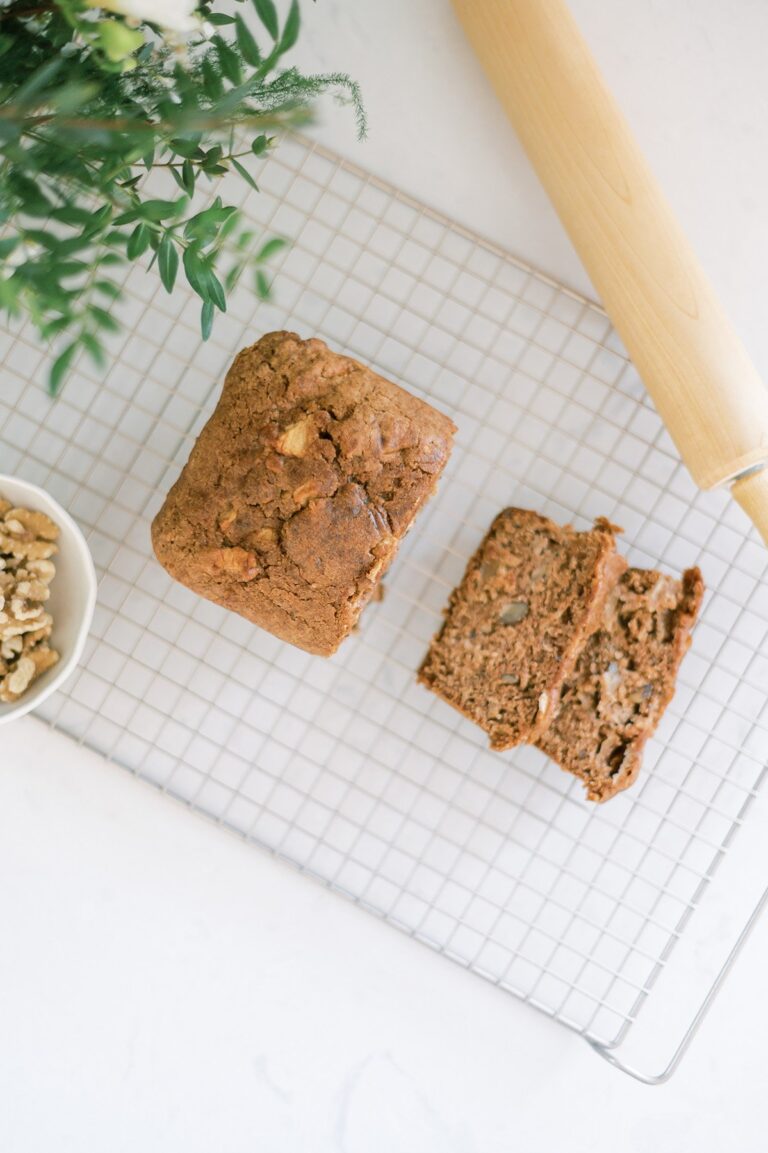
How to Get Started with Healthy Meal Prep
If feeding yourself well during perimenopause feels overwhelming, you’re not alone.
Between fluctuating hormones, changing energy levels, work, family commitments and decision fatigue, meal prep can feel like another chore — even though you know eating well helps you feel better.
Here’s the reframe: healthy meal prep isn’t about perfection or spending hours in the kitchen — it’s about making nourishment easier when life is busy.
When done simply, meal prep becomes one of the most supportive self-care tools during perimenopause.
Why Healthy Meal Prep Matters in Perimenopause
During perimenopause, hormonal fluctuations can affect:
- Blood sugar regulation
- Appetite and cravings
- Energy levels and fatigue
- Mood and anxiety
- Weight distribution and inflammation
When meals are skipped or inconsistent, cortisol and insulin can spike — worsening symptoms like irritability, brain fog, poor sleep, and energy crashes.
Regular, balanced meals support:
- Stable blood sugar
- Hormone balance
- Nervous system regulation
- Gut health
- Sustainable energy throughout the day
Meal prep isn’t about restriction — it’s about supporting your body through change.

Reframing Meal Prep: Keep It Simple
Meal prep doesn’t mean eating the same meal all week or cooking everything from scratch.
Instead, think:
- Prepare components, not perfection
- Reduce decisions, not enjoyment
- Support your future self
Even small preparation can make a big difference.
Step 1: Start with a Simple Plan
Before cooking, take 5–10 minutes to plan.
Ask yourself:
- What breakfasts do I enjoy and tolerate well?
- What lunches are easy and satisfying?
- What dinners can be mixed and matched?
Aim for 3–4 core meals, not a full menu overhaul.
Step 2: Focus on Balanced Building Blocks
Every meal should ideally include:
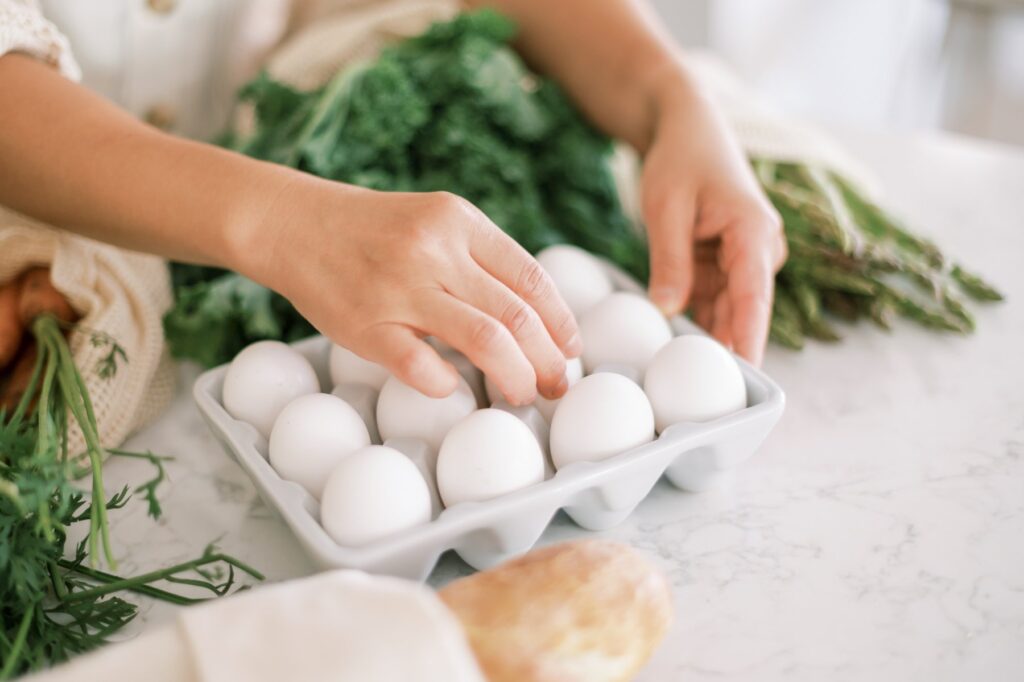
- Protein (eggs, chicken, fish, tofu, legumes)
- Healthy fats (olive oil, avocado, nuts, seeds)
- Fibre-rich carbs (vegetables, fruit, whole grains)
- Colour & variety (supports gut and hormones)
When these are prepared ahead of time, meals come together quickly.
Step 3: Prep Once, Eat Many Ways
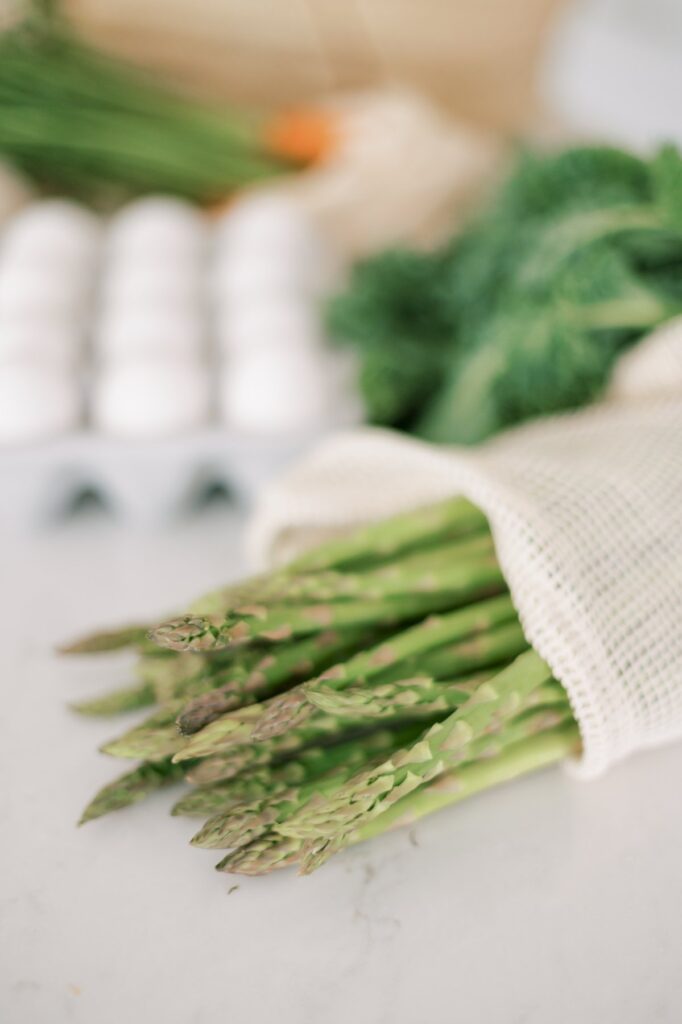
Instead of cooking full meals, prep versatile ingredients.
Examples:
- Roast a tray of vegetables
- Cook a batch of protein (chicken, lentils, tofu, mince)
- Wash and chop salad greens
- Prepare a grain like quinoa or rice
- Make a simple dressing or sauce
These can be mixed into salads, bowls, wraps, or warm meals across the week.
Step 4: Choose a Realistic Prep Window
Meal prep doesn’t need to take hours.
Try:
- 30–45 minutes once or twice a week
- One tray bake + one protein cook
- Chopping veggies while dinner cooks
Choose a time when your energy is highest — not when you’re already depleted.
Quick Healthy Meal Prep Tips for Perimenopause
- Start with just one meal per day
- Prioritise protein at breakfast and lunch
- Keep emergency meals on hand
- Use frozen veggies and pre-washed greens
- Eat regularly — don’t wait until ravenous
- Let “good enough” be good enough
Meal Prep Is Nervous System Care Too
When food decisions are already made:
- Stress is reduced
- Blood sugar stays stable
- Cravings feel more manageable
- Energy becomes more predictable
This consistency is incredibly supportive during perimenopause — when your body is already working harder to find balance.
Final Thoughts
Healthy meal prep isn’t about control — it’s about kindness toward yourself.
It’s one of the simplest ways to support your hormones, mood, and energy during perimenopause — without adding pressure or complexity. Start small. Keep it flexible. You’re not failing — your body is changing, and it deserves support.